Research Areas
The transition to an energy-efficient future requires rethinking the infrastructure systems that power modern society. Researchers at the Institute for Energy Efficiency are developing intelligent, energy-efficient solutions that integrate advanced computing, renewable energy, electrified transportation, and next-generation control systems across the built environment and critical infrastructure networks.
This initiative focuses on enabling low-carbon, resilient infrastructure systems spanning power grids, zero-energy buildings, lighting technologies, industrial systems, transportation networks, agriculture, and water resources. Faculty researchers are advancing scalable modeling, learning, optimization, and market-design frameworks that improve how energy is generated, distributed, and consumed while supporting increasing levels of renewable energy integration. Research efforts include the development of demand response and smart grid technologies that coordinate large populations of distributed energy resources and flexible electrical loads to improve grid reliability and efficiency. Other work explores mobility-aware charging systems, real-time optimization for electric vehicle infrastructure, and intelligent transportation systems designed to reduce emissions while maintaining grid stability and accessibility.
The initiative also addresses the growing importance of resilient and secure cyber-physical infrastructure systems. Researchers are designing safe learning and distributed control algorithms capable of operating under uncertainty while meeting critical reliability and operational constraints. In parallel, advances in energy-aware computing, virtualization, and cloud-based infrastructure management are improving the efficiency of the digital systems that increasingly underpin societal infrastructure. Together, these interdisciplinary efforts aim to create infrastructure ecosystems that are adaptive, resilient, and equitable, enabling cleaner energy systems and more efficient communities at local, national, and global scales.
Lead Faculty

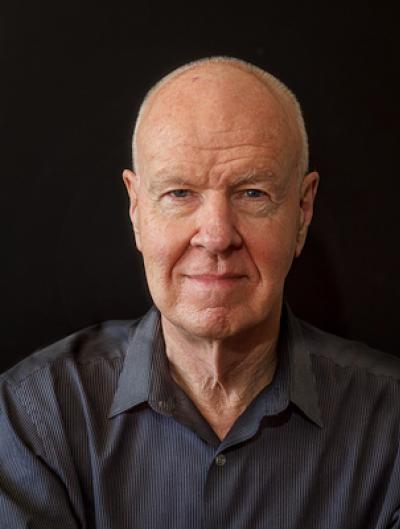
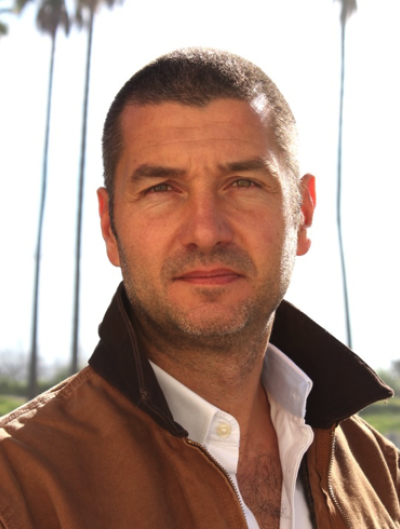
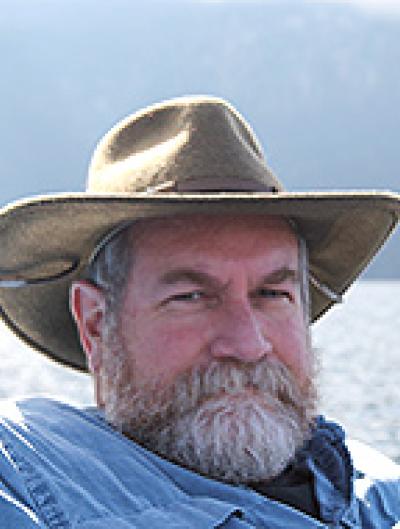
Steven DenBaars: Director, IEE & Professor, Electrical & Computer Engineering
Professor DenBaars is a longstanding member of IEE, and since 2005 has served as IEE Thrust Leader for Display Solutions Group. He is our Mitsubishi Distinguished Professor, with faculty appointments in Materials and Electrical & Computer Engineering, and is the Executive Director of our Solid State Lighting and Energy Electronics Center. He is a member of the National Academy of Engineering and a fellow of the National Academy of Investors, with more than 1,400 publications and over 153 patents filled. DenBaars has a deep commitment to advancing sustainable energy solutions. Drawing on his experience in solid-state materials for lighting, displays, and power electronics, he is eager to contribute to IEE's mission of driving innovation in energy efficiency.

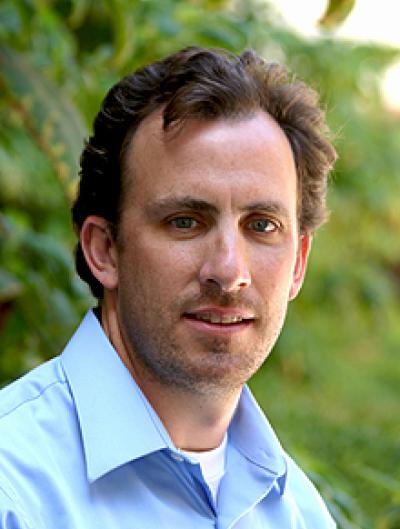
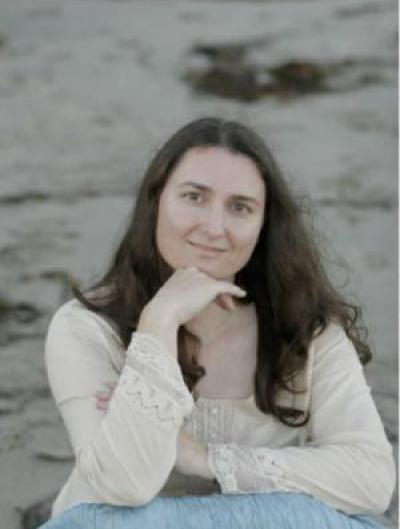
Mahnoosh Alizadeh: Assistant Professor, Electrical and Computer Engineering
Dr. Alizadeh’s research is focused on designing new modeling, learning and control frameworks and market mechanisms for enabling sustainability and resiliency in societal infrastructure systems (with a specific focus on power systems and electric transportation systems). She is the director of the Smart Infrastructure Systems laboratory.
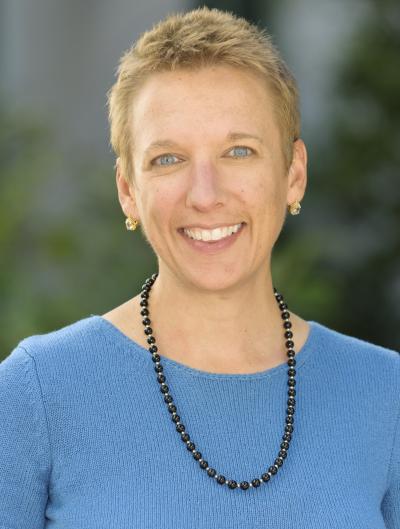
Chandra Krintz: Professor, Computer Science
Chandra Krintz's research interests include automatic and adaptive compiler, programming language, virtual runtime, and operating system techniques that improve performance (for high-end systems) and that increase battery life (for mobile, resource-constrained devices). She contributes to the field of energy-aware computing through her research in virtualization technology: a powerful tool with which to migrate and consolidate computations when used in conjunction with models and control of cooling technologies. Krintz’s recent work focuses on programming language and runtime support for cloud computing. Her research group has recently developed and released AppScale -- an open-source platform-as-a-service cloud computing system that implements the Google App Engine (GAE) APIs and that facilitates next-generation cloud computing research.
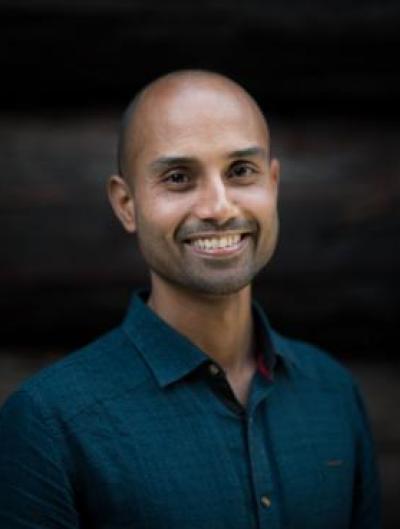
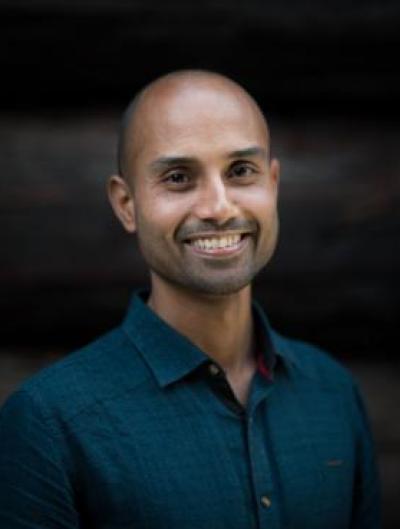
Ranjit Deshmukh: Associate Professor, Environmental Studies
Ranjit is broadly interested in low carbon energy systems and clean energy access. Specifically, his key interests include: 1) strategies, policies, and market mechanisms for renewable energy integration in electric power systems, 2) incorporating multiple techno-economic, social, and environmental criteria for sustainable energy system planning, 3) technologies and incentives for increasing access to clean energy services in developing regions and low income communities. Ranjit’s work has taken him to India, Indonesia, and several countries in Africa. In pursuing his academic and applied research, he works closely with both government and non-government stakeholders including regulators, electric utilities, government ministries, non-profit organizations, and local communities.
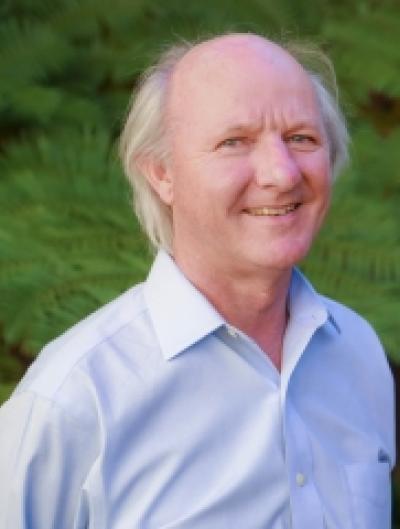
Jeff Sakamoto: Mehrabian Professor, Materials & Mechanical Engineering
As a materials scientist and engineer with an interest in synthesis, processing, and functionalization of ceramics and hydrogels, his research is highly interdisciplinary guided by the fields of energy storage/conversion and biomedicine. With a focus on materials and manufacturing processes to develop new energy storage and biomedical technologies, the Sakamoto group takes a holistic approach to research entailing materials design and discovery, articulation into prototypes, and testing in relevant environments. While the connection between these seemingly disparate fields may not be obvious, they do share one aspect; nothing, or, more specifically, the absence of mass
Industry Leaders